Paint Sheen Guide: Choosing Matte, Satin, or Semi-Gloss
By Mike Rawlings | November 3, 2026
Choosing the right paint sheen affects your home's appearance, durability, and maintenance needs. Matte, satin, and semi-gloss finishes each offer distinct advantages, making some better suited to certain rooms and surfaces. Understanding these differences helps homeowners plan interior house painting projects that balance style with practicality.
The best finish depends on lighting, surface condition, traffic, and desired atmosphere. Comparing each sheen helps you create a cohesive design that lasts.
Understanding Matte Paint
Recognizing Matte Paint Characteristics
Matte paint has a flat, non-reflective finish that absorbs light rather than bouncing it around the room. This quality creates a soft appearance while concealing minor scratches, patches, and uneven textures. It also gives darker colors depth without distracting glare.
Choosing Ideal Rooms for Matte Paint
Matte finishes work well in bedrooms, ceilings, and low-traffic living rooms. They create a relaxed atmosphere and help walls look consistent under changing lighting conditions. However, some matte paints are difficult to clean, making them less suitable for busy hallways, kitchens, and children's rooms.
Weighing Matte Paint Advantages
Matte paint minimizes the appearance of surface flaws and provides a sophisticated backdrop for furniture and artwork. During interior house painting, it can be especially effective when homeowners want rich colors and a calm, uniform appearance.
Considering Matte Paint Drawbacks
Traditional matte finishes may absorb stains and show marks from frequent contact. Scrubbing can leave shiny patches, while busy households may need more frequent touch-ups. Washable matte formulations can improve maintenance, although performance varies by brand.
Comparing Matte Paint Brands
Benjamin Moore, Sherwin-Williams, and Behr offer matte products in various colors and formulations. Comparing coverage, washability, and durability helps homeowners find a product that meets their needs.
Exploring the Benefits of Satin Paint
Recognizing Satin Paint Characteristics
Satin paint has a subtle sheen that reflects more light than matte without appearing as glossy as semi-gloss. According to House Beautiful, eggshell paint offers 10% to 25% reflection, while satin falls around 25% to 35% reflection. This moderate luster creates a gentle glow without overwhelming a room's design.
Choosing Ideal Rooms for Satin Paint
Satin is a versatile choice for kitchens, bathrooms, hallways, family rooms, and children's bedrooms. Its smoother surface generally withstands routine cleaning better than traditional matte paint, making it useful where fingerprints and smudges are common.
Weighing Satin Paint Advantages
Satin combines durability with understated elegance. Its reflective properties can brighten a room, while its cleanable surface helps maintain a fresh appearance. For interior house painting, satin offers a practical middle ground between matte's softness and semi-gloss's stronger shine.
Considering Satin Paint Drawbacks
Satin can reveal dents, rough patches, and uneven repairs. Proper sanding, filling, and priming are essential for consistent results. Touch-ups can also create visible differences in sheen.
Comparing Satin Paint Brands
Valspar, Benjamin Moore, Behr, and Sherwin-Williams offer satin finishes for different applications. Compare product specifications to find a formulation suited to the surface and expected wear.
Evaluating Semi-Gloss Paint
Recognizing Semi-Gloss Paint Characteristics
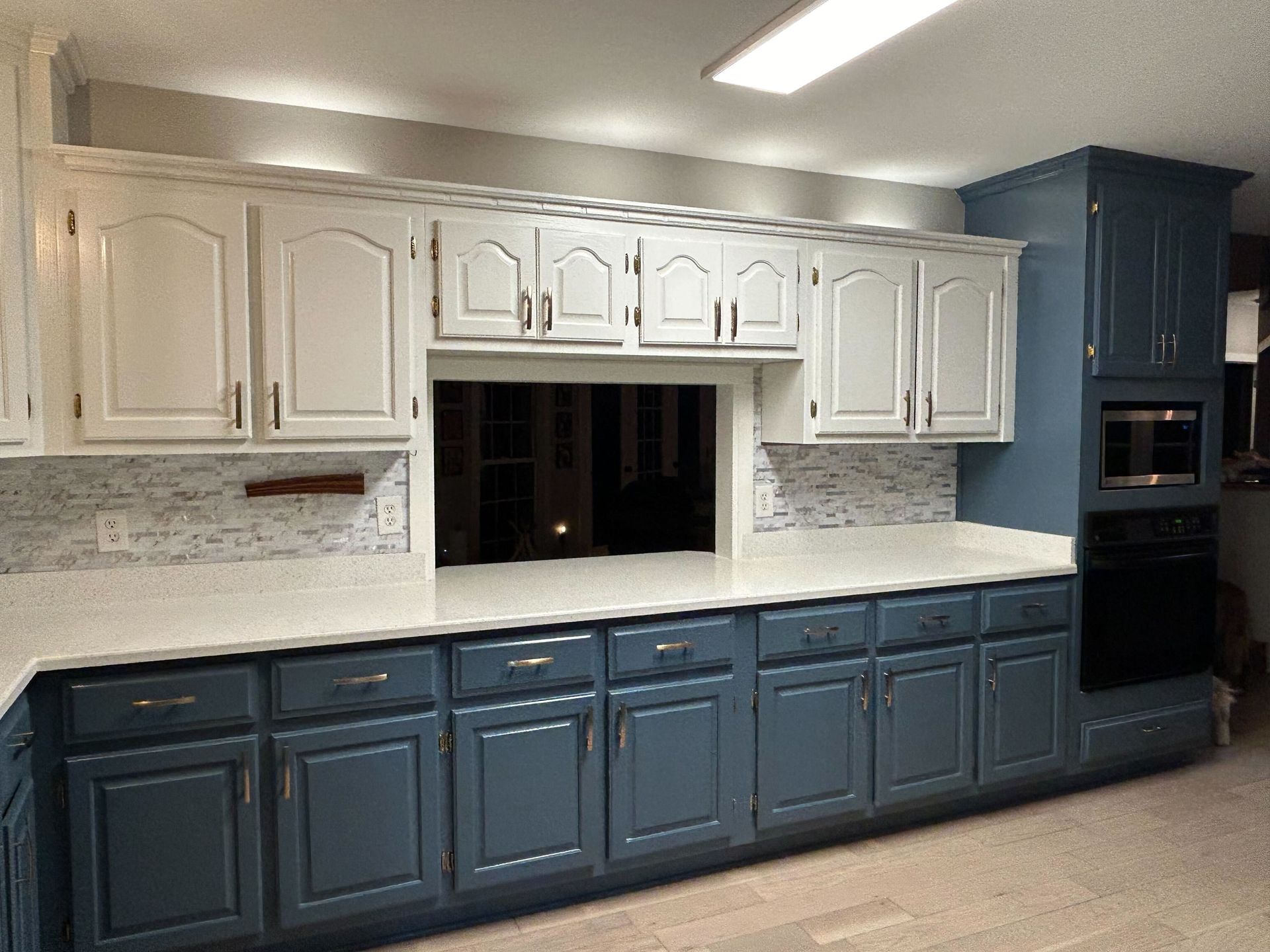
Semi-gloss paint has a reflective finish that creates a polished appearance. Its durable surface is generally easy to clean, making it useful for trim, doors, and cabinetry. However, the additional shine makes careful preparation and application essential.
Choosing Ideal Rooms for Semi-Gloss Paint
Semi-gloss is commonly used on baseboards, window frames, interior doors, and kitchen cabinets. It can also work on bathroom trim when the product suits the environment. Its reflective quality emphasizes architectural details and contrasts nicely with flatter wall finishes.
Weighing Semi-Gloss Paint Advantages
Durability and easy maintenance are major advantages of semi-gloss. Dirt and everyday marks can often be removed with less effort, helping frequently handled surfaces maintain their appearance. Its shine also highlights decorative features.
Considering Semi-Gloss Paint Drawbacks
Semi-gloss can emphasize scratches, dents, and uneven surfaces. It may create glare in rooms with strong lighting, and achieving smooth coverage requires thorough preparation and consistent application.
Comparing Semi-Gloss Paint Brands
Sherwin-Williams, Benjamin Moore, and Behr offer semi-gloss products for trim, cabinetry, and other interior surfaces. Reviewing coverage, drying times, and leveling properties helps homeowners select appropriate paint.
Evaluating Important Paint Selection Factors
Assessing Surface Type and Condition
Surface condition should influence your finish selection. Matte paint is more forgiving of minor flaws, while satin and semi-gloss can reveal imperfections. Filling holes, sanding rough areas, and applying primer when needed help create a smooth result.
Matching Sheen to Room Function
Low-traffic bedrooms may benefit from matte finishes, while busy hallways and family rooms often need something more washable. Semi-gloss is especially practical for trim and doors that receive frequent contact. A thoughtful interior house painting plan accounts for each room's purpose rather than using one finish everywhere.
Evaluating Light Reflection and Appearance
Lighting influences how paint colors and finishes appear. Matte absorbs more light, satin provides moderate reflection, and semi-gloss creates a brighter effect. Examine samples under natural and artificial lighting to determine which finish complements the room.
Balancing Durability and Maintenance
Consider how often each surface needs cleaning. Satin generally balances appearance and washability, while semi-gloss suits surfaces requiring frequent cleaning. Matte remains appealing in spaces where appearance matters more than intensive maintenance.
Planning Around the Project Budget
Paint costs include more than the price of materials. Preparation, primer, labor, and future maintenance affect the total. Comparing products and accounting for surface repairs helps homeowners establish a realistic budget.
Combining Sheens for a Cohesive Interior
Creating Contrast Between Walls and Trim
Combining different sheens adds dimension without introducing new colors. Matte walls paired with semi-gloss trim create contrast that highlights architectural details. Satin provides a softer transition when a subtler appearance is preferred.
Highlighting Architectural Features
Molding, window frames, built-in shelving, and doors can stand out when finished with reflective paint. Using consistent sheens on similar features throughout the home also creates visual continuity.
Coordinating Colors and Finishes
Color and sheen work together to influence a room's atmosphere. Matte finishes soften deep colors, satin gives mid-tones a gentle glow, and semi-gloss adds definition to trim and cabinetry. Testing combinations helps ensure they complement existing furnishings and flooring.
Testing Samples Before Painting
Apply samples to small sections of the intended surfaces and observe them under different lighting conditions. Allow the paint to dry fully before evaluating its appearance. Testing can reveal unwanted glare or visible surface flaws before the entire room is painted.
Avoiding Common Paint Sheen Mistakes
Overlooking Lighting Conditions
A finish that looks subtle during daylight may appear much shinier under overhead fixtures. Reviewing samples at different times helps homeowners select a sheen that remains attractive as lighting changes.
Choosing Shine Over Practicality
Using semi-gloss on every wall can create excessive glare, while matte may be impractical in areas requiring frequent cleaning. Match the finish to the surface's purpose and your household's maintenance needs.
Skipping Surface Preparation
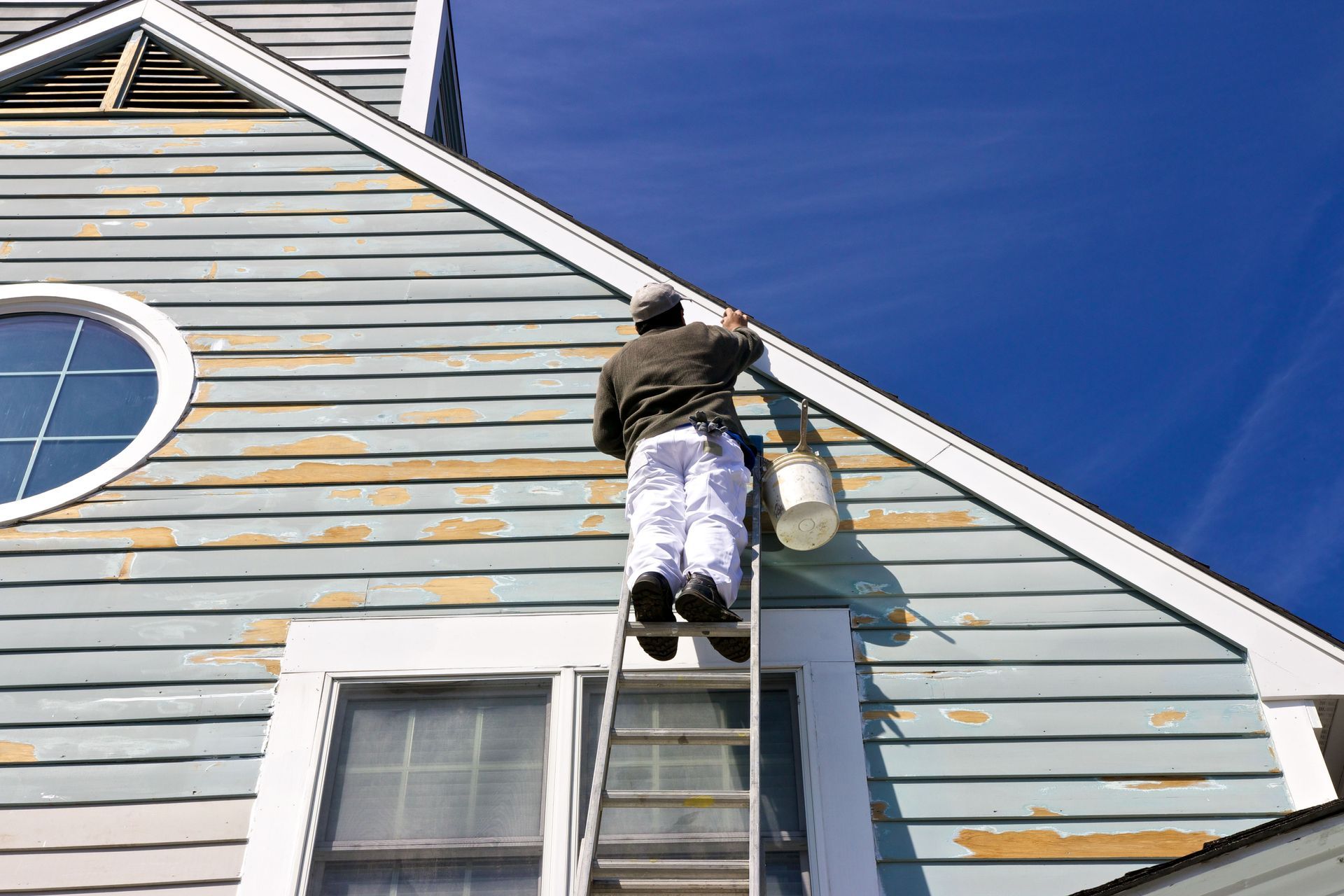
Dust, grease, peeling paint, and uneven repairs can compromise the final result. Cleaning, sanding, patching, and priming as appropriate help paint adhere properly and create consistent coverage. Professional interior house painting helps ensure these preparation steps receive the attention they need.
Applying Paint Inconsistently
Uneven coverage, rushed drying times, and inconsistent application can create streaks or variations in sheen. Following manufacturer instructions and allowing adequate drying time between coats helps achieve better results.
Achieving a Lasting Interior Paint Finish
The right paint sheen combines appearance, durability, and easy maintenance. Matte creates a soft look, satin balances reflection with practicality, and semi-gloss provides a durable finish for trim and frequently handled surfaces. Selecting finishes according to each room's lighting, condition, and function helps create a cohesive home.
Successful interior house painting also depends on proper preparation, quality materials, and consistent application. Atlanta Painting Company can help you choose suitable finishes and achieve a polished result. Contact the team to discuss your project and refresh your home's interior.