7 Exterior Painting Ideas for a More Welcoming Home
By Mike Rawlings | November 2, 2026
A home's exterior creates the first impression visitors receive, making its appearance an important part of curb appeal. Over time, fading colors, peeling paint, and outdated finishes can make even a well-maintained property appear less inviting. Exterior painting allows homeowners to refresh their surroundings, highlight architectural details, and create a welcoming atmosphere without major structural changes. However, choosing the right colors and finishes involves more than selecting a favorite shade. Architectural style, surrounding landscaping, existing materials, and neighborhood characteristics can influence the final appearance. Experienced exterior painters can help homeowners evaluate these factors and select improvements that complement their properties. Exploring different exterior painting ideas can make it easier to develop a cohesive design that enhances curb appeal while reflecting personal preferences.
1. Choosing Warm Neutral Colors for a Welcoming Appearance
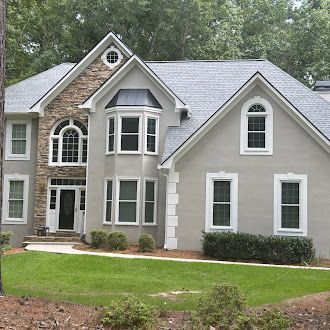
Warm neutral colors can create an inviting exterior while maintaining a timeless appearance. Shades such as cream, beige, taupe, and soft gray provide versatile backgrounds that complement many architectural styles. These colors can make a home feel approachable without overwhelming its surroundings. Warm neutrals also coordinate with common exterior materials, including brick, stone, and wood. Homeowners seeking a subtle transformation may find that updating the primary exterior color creates a noticeable improvement.
When selecting neutral shades, consider how natural lighting influences their appearance throughout the day. A color that looks warm in direct sunlight may appear cooler in shaded areas. Testing paint samples on different exterior walls can help homeowners understand these variations. Professional exterior painters can provide guidance on selecting complementary shades for siding, trim, and architectural accents. Coordinating these elements helps create a balanced appearance that feels welcoming rather than overly uniform.
2. Highlighting Entryways With Contrasting Door Colors
The front door serves as a natural focal point, making it an excellent location for a distinctive paint color. A contrasting shade can draw attention toward the entrance and give visitors a clear visual destination. Deep blue, forest green, burgundy, and muted red are possibilities for creating a noticeable accent. Homeowners who prefer lighter colors might consider soft sage, dusty blue, or warm yellow. The ideal choice depends on the home's existing exterior colors and overall design.
A successful entryway color should complement nearby trim, shutters, porch features, and decorative hardware. For example, a dark green door may provide attractive contrast against cream siding, while a navy entrance can coordinate with light gray walls. Before painting, homeowners should inspect the door for peeling finishes, moisture damage, and surface imperfections. Proper cleaning, preparation, and compatible paint products help create a smooth finish that withstands changing weather conditions.
3. Refreshing Exterior Trim to Define Architectural Details
Exterior trim frames windows, doors, rooflines, and other architectural features, influencing how the entire home appears. When trim becomes faded or discolored, these details may blend into surrounding surfaces. Repainting trim can restore definition and create cleaner visual lines. White and off-white remain versatile options, while charcoal, dark brown, and muted black provide stronger contrast. The selected color should complement the primary exterior shade without competing with other design elements.
Homeowners can also use trim colors to emphasize architectural features, including columns, decorative molding, and covered porches. Consistency is important because using too many contrasting shades may create a disconnected appearance. Experienced exterior painters can help determine which features deserve emphasis and which should blend into the overall color scheme. Careful preparation around joints, edges, and previously painted surfaces contributes to a polished finish that enhances the home's appearance.
4. Coordinating Shutter Colors With Exterior Finishes
Shutters can add visual interest to a home's exterior, particularly when their color complements the siding and trim. Repainting existing shutters offers a simple way to update the property's appearance without replacing major components. Dark navy shutters provide contrast against light siding, while earthy green or brown shades may coordinate with natural landscaping. Homes with darker exterior colors might benefit from softer shutter shades that prevent the overall design from appearing too heavy.
Before choosing a color, consider whether the shutters serve a functional purpose or are primarily decorative. Their material and exposure to sunlight may influence paint selection and preparation requirements. Wood, vinyl, and other shutter materials can require different products and application methods. Homeowners should also evaluate how the selected shade interacts with the front door and window trim. Coordinating these features creates visual consistency and helps the property maintain a welcoming appearance.
5. Incorporating Earthy Colors to Complement Landscaping
Earth-inspired paint colors can help connect a home's exterior with its surrounding landscape. Muted greens, warm browns, sandy beiges, and clay-inspired shades coordinate with trees, garden beds, stone pathways, and natural wood features. These colors may be especially appealing for homes surrounded by mature vegetation or outdoor living areas. Rather than creating sharp contrast, earthy palettes establish a softer transition between the building and its environment, contributing to a cohesive property design.
Homeowners should consider how landscaping changes throughout the year before committing to a particular shade. Seasonal flowers, changing foliage, and variations in sunlight can influence how exterior colors appear. According to HomeAdvisor, exterior paint typically lasts between five and ten years. Because painting represents a long-term design decision, selecting colors that remain appealing across different seasons is worthwhile. Professional exterior painters can help homeowners compare color combinations and evaluate how they complement existing outdoor features.
6. Updating Porch Features to Create an Inviting Entrance
A front porch often serves as the transition between the outdoor landscape and the home's interior. Painting porch railings, columns, ceilings, and other visible features can make this space feel cleaner and more inviting. Light colors may help a covered porch appear brighter, while darker accents can add definition to railings and structural details. Coordinating porch finishes with the front door and exterior trim establishes a consistent appearance that welcomes visitors.
Porch surfaces experience varying levels of moisture, sunlight, and foot traffic, making proper product selection important. Floors and steps may require coatings specifically designed for walking surfaces, while railings and columns need finishes appropriate for their materials. Homeowners should inspect these areas for deteriorating paint, damaged wood, and moisture concerns before beginning improvements. Addressing surface problems and selecting suitable coatings helps preserve the appearance and functionality of frequently used entrance areas.
7. Selecting Durable Finishes for Lasting Curb Appeal
Even an attractive color scheme may lose its appeal if the paint deteriorates prematurely. Exterior surfaces face ongoing exposure to sunlight, rainfall, temperature fluctuations, and airborne debris. Selecting suitable coatings helps protect these surfaces while maintaining their appearance. Different materials, including wood siding, masonry, metal, and fiber cement, may require specific primers and paint formulations. Homeowners should also consider the desired sheen, since flat, satin, and semi-gloss finishes produce different visual effects.
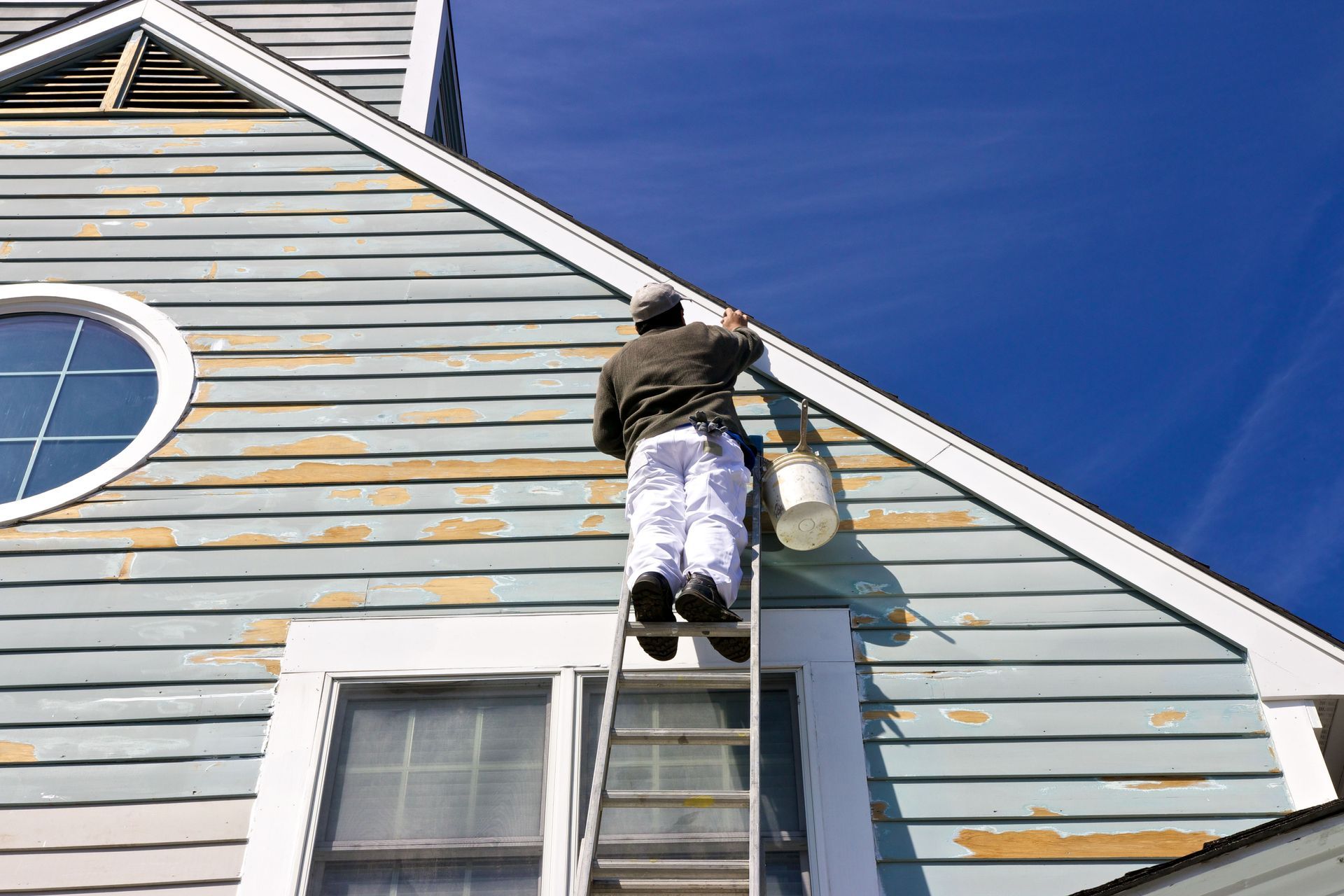
Proper surface preparation is equally important for achieving dependable results. Cleaning away dirt, removing loose paint, repairing damaged areas, and allowing surfaces to dry can help new coatings adhere correctly. Professional exterior painters understand how preparation methods and product selection vary across different exterior materials. They can also evaluate weather conditions before beginning application. Investing attention in these details helps homeowners maintain an attractive finish and reduce avoidable painting problems.
Refreshing a home's exterior with thoughtful paint choices can create a welcoming appearance while highlighting the property's unique characteristics. Warm neutral colors provide versatile backgrounds, while contrasting doors, coordinated shutters, and refreshed trim bring definition to architectural features. Earthy palettes connect the home with its landscaping, and carefully selected porch finishes make entrance areas more inviting. Balancing light and dark shades contributes visual interest without overwhelming the overall design. Beyond appearance, selecting appropriate coatings and preparing surfaces correctly can help preserve the results of an exterior painting project. Experienced exterior painters can guide homeowners through color selection, surface preparation, and application techniques that suit their properties. If you are ready to refresh your home's appearance and improve its curb appeal, contact Atlanta Painting Company today.