How to Choose the Right Paint Color for Every Room
By Mike Rawlings | September 2, 2026
Choosing the right paint color for a room can transform the space, creating an atmosphere that is both aesthetically pleasing and mood-enhancing. When done correctly, this selection not only enhances the beauty of the space but also increases its functionality. Therefore, it is essential to carefully consider every element related to color choice with your interior painter to achieve your desired outcome. Let's walk through the process of selecting the perfect paint color for every room in your home.
Identifying the Function of Each Space
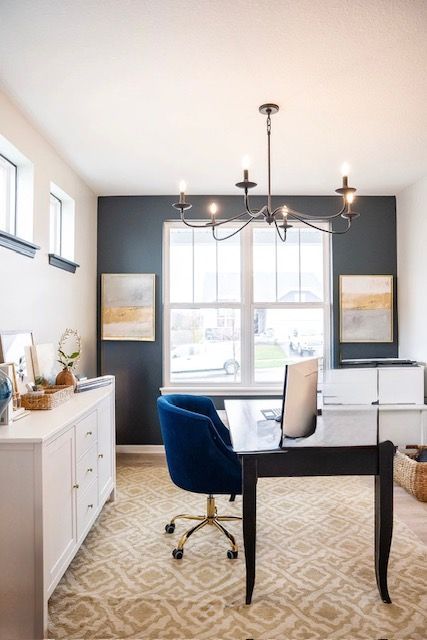
When choosing your paint colors with a professional interior painter, it's important first to assess the purpose and function of each room. Understanding what activities will occur in the room can guide you in selecting colors that enhance the desired ambiance. For a home office, hues that enhance focus and productivity, such as light blues or greens, may be most suitable. In contrast, a playroom might benefit from brighter, more playful tones that stimulate energy and creativity. Recognizing a room's intended function allows you to select colors that complement these purposes effectively.
The impact of color on a room's function extends beyond primary purposes. For example, communal areas like kitchens and living rooms should encourage gathering and social interaction, achieved using warm and inviting color palettes. Alternatively, bedrooms require more subdued tones to facilitate rest and tranquility. While these color choices might initially seem secondary, they can substantially influence how space is used and experienced. Considering how a room should feel and function will ensure meaningful color selections for greater enjoyment and utility.
The Importance of High-Traffic Areas
High-traffic areas, like hallways and entryways, require special consideration when choosing your paint colors due to their heavy use. These spaces are focal points within a home, and their walls often endure more wear and tear than other areas. Therefore, selecting durable paints and finishes can help maintain their appearance over time. In these areas, neutral hues are often favored as they are more forgiving of dirt, scuffs, and minor imperfections, contributing to an area's inviting feel while remaining practical. Ensuring these spaces are durable yet appealing contributes to a beautifully cohesive home.
Moreover, high-traffic areas serve as transitional zones that guide the flow of movement throughout your home. To maintain symmetry and harmony in interior design, consider consistent color themes that seamlessly incorporate them into the broader color scheme. Complementary colors and accents can unify transitional spaces with primary personal areas, enhancing the overall coordination of the home. Integrating strategic colors in these regions allows for visually appealing transitions between distinct rooms and functions, reinforcing a pleasant and welcoming domicile atmosphere. Consequently, these areas contribute subtly yet significantly to a home's cohesive flow.
It's also essential to focus on incorporating light-reflecting colors when dealing with narrow hallways or limited natural light in entryways. Painting surfaces with lighter color shades can reflect ambient lighting sources better, illuminating these otherwise dim areas. This approach not only enhances the perception of space size but also makes them more welcoming. Balancing lighting considerations with durability and aesthetic appeal is key to ensuring that high-traffic areas maintain their functionality and aesthetic over time. According to HomeGuide, a professional interior painter typically covers 150 to 350 square feet per hour, highlighting the importance of choosing practical colors that require less frequent touchups in such areas.
Aligning Colors With Room Activities
Understanding a room's intended activities and aligning colors accordingly can enhance its functionality and mood. For example, choosing vibrant, energetic hues in a workout room can boost motivation and endurance, while calming shades like soft greens and blues in a meditation space can enhance relaxation and mindfulness. By carefully selecting colors to match the room's activities, you can ensure the space supports its intended purpose. Making such choices elevates both the aesthetic quality and practical utility of the area's design. Thus, careful consideration of activity-specific color enhancements contributes to a well-balanced, purposeful home atmosphere.
Besides enhancing mood, aligning colors with room activities can improve productivity and efficiency. Using scientifically researched color psychology, workspaces, for instance, can benefit from colors that boost concentration, creativity, and attention to detail. Browns and neutral shades can lend an air of professionalism, suitable for study spaces, while lively, warm tones in dining areas can lead to more engaging meal times. Realizing how colors can embody or amplify intended room activities paves the way for functional spatial design, fostering ideal environments for work, play, or rest, according to individual lifestyle needs.
Considering Room Size and Layout
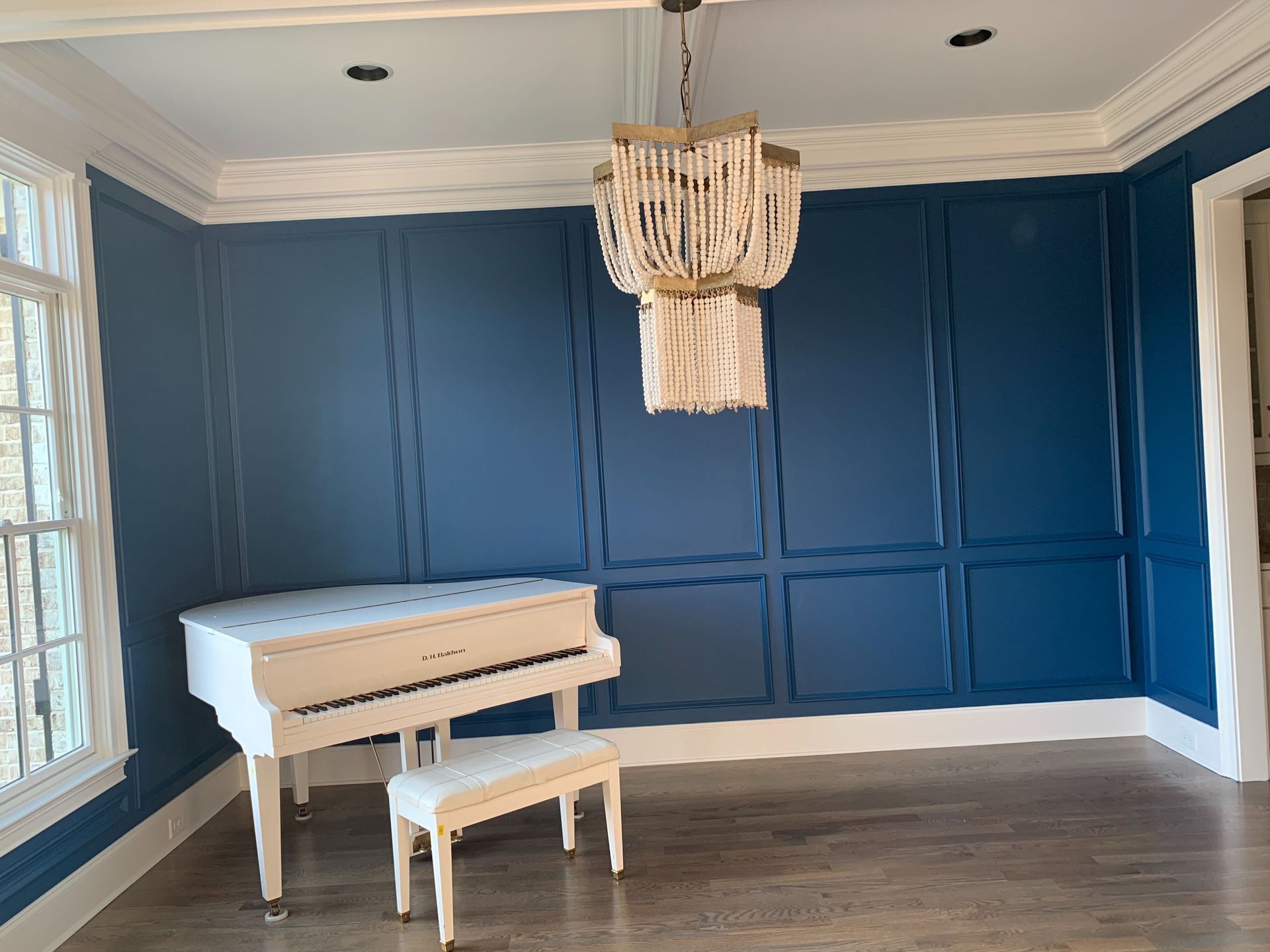
When selecting paint colors, consider the room's size and layout to visually manipulate spatial perceptions and maximize comfort. Darker colors tend to shrink space, making them ideal for expansive rooms that might feel empty without definition. In contrast, lighter colors can make a small room appear more open, preventing it from feeling cramped or confined. Clever use of paint also extends to accent walls that shape perceived room dimensions while creating focal points. Understanding how color affects spatial dynamics enhances room functionality and aesthetic harmony.
The layout's influence should similarly inform color selection, with open-plan areas benefiting from colors that visually demarcate separate living zones. Using variations within the same color family can differentiate functional areas like dining from living spaces without disrupting cohesion. Strategically placed transition colors ease the focus from one zone to another, providing subtle visual cues that guide movement and purpose. Leveraging color's potential to delineate within open layouts not only aids practical flow but also enhances a sense of organization and tranquility through consistent design elements. Thus, strategically deploying color enriches spatial understanding and coordination.
Considering the interplay of room dimensions and layout before finalizing color plans ensures you achieve desired effects in both room perception and practical use. Creating a unified color palette tied to a room's unique characteristics opens up opportunities to refine aesthetic quality through clever color application. Integration of spatial elements with color harmonizes the interior landscape, enhancing livability significantly. With each intentional choice, paint can transform irregular room constraints into characteristics that reflect creativity, inventiveness, and awareness. Consequently, discerning color patterns unlock the potential for innovative solutions, exploiting paint color's transformative power to influence room structure fundamentally.
Adapting for Multi-Purpose Rooms
Multi-purpose rooms require a nuanced approach to paint color selection, given their varied functions and uses. Spaces such as combined home offices/guest rooms or living/dining areas should balance adaptability and cohesion. Neutral colors can serve as versatile backdrops accommodating diverse activities while lending consistency throughout multifunctional environments. Introducing accent walls or zone-specific colors further demarcates areas within the same room, preserving the distinct identity and intent of multiple functions. Judiciously blending colors in multi-purpose rooms optimizes usability while promoting habitual engagement in their respective activities.
Choosing the ideal paint color with an interior painter goes far beyond simple aesthetics; it's a strategic tool that defines how a space functions, feels, and flows. By carefully balancing the intended activity of a room, its traffic levels, natural light, and structural layout, you can transform ordinary walls into a cohesive environment tailored to your daily lifestyle. Whether you're opening up a compact layout, creating focus in a home office, or building a versatile backdrop for a multi-purpose room, deliberate color choices allow you to maximize both beauty and utility throughout your entire home. To learn more, reach out to an experienced interior painter at Atlanta Painting Company today!